
Founder Spotlight: Dr. Iden Kurtaliaj - Bringing PythonFix from Lab to Market
March 3, 2026 by Katherine Brown, BME’2028
Iden Kurtaliaj is an Assistant Professor in Neurosurgery at the Icahn School of Medicine at Mount Sinai and Associate Director of Mount Sinai BioDesign, where she leads translational surgical innovation projects and academic–industry partnerships. A biomedical engineer and startup founder, she focuses on translating medical technologies into clinically deployable solutions. A Columbia Engineering alumna, she completed her PhD work with Dr. Stavros Thomopoulos, where her research focused on bio-inspired solutions for musculoskeletal repair. She has authored multiple patents and publications and leads teams that integrate engineering, clinical insight, and commercialization strategy to move medical innovations from bench to bedside.
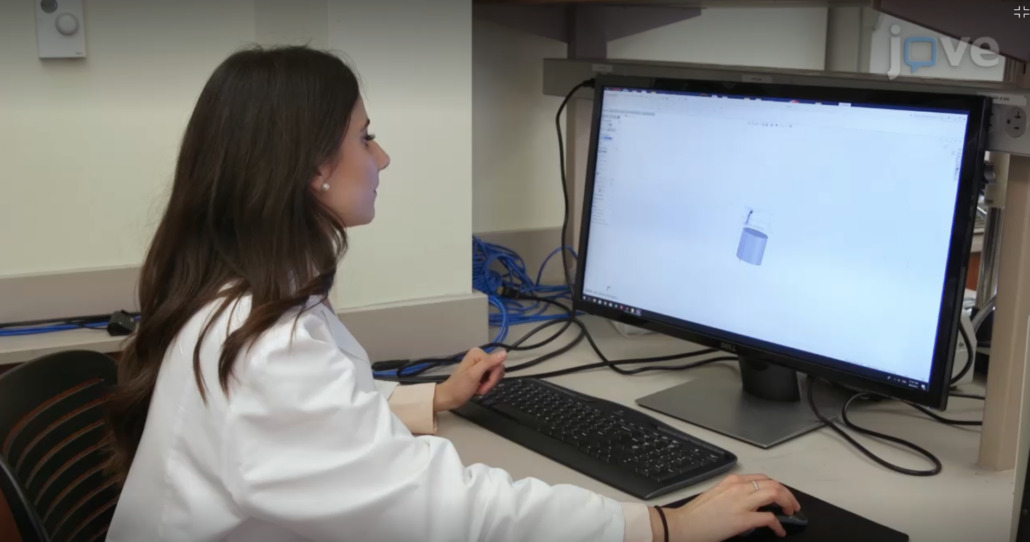
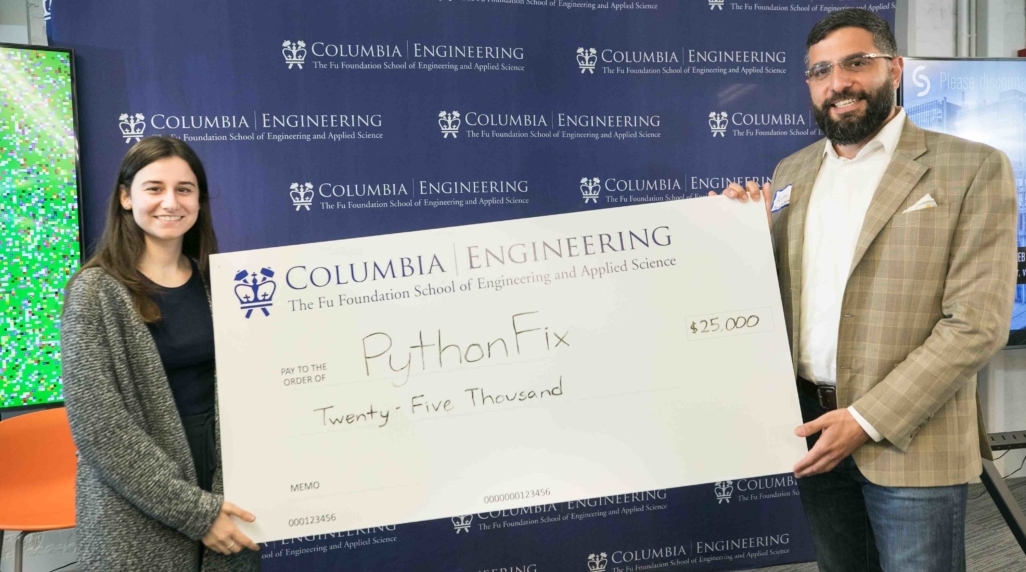
One of Dr. Kurtaliaj’s key innovations is PythonFix, a tendon-fixation device modeled on the curvature of python teeth. Preclinical tests show PythonFix nearly doubles the strength of rotator cuff repairs compared to current sutures. She is the co-inventor on multiple patents covering this design (U.S. Applications 17/766,503 and 17/932,232). In 2022, her team won $25,000 and incubation support in Columbia’s Startup Columbia Technology Challenge, validating strong market interest. PythonFix is now in advanced testing to meet FDA 510(k) requirements, with a planned Pre-Submission meeting to refine the path to clinical trials.
Dr. Kurtaliaj’s research on python-tooth–inspired fixation was published in Science Advances (2024), a leading peer-reviewed scientific journal, and received independent national media coverage, including in The Wall Street Journal and Science News, reflecting broad scientific and public interest in the translational implications of the technology.
Previously, when she worked at Globus Medical, she helped design spinal implant systems still used in clinical practice today (U.S. Patent 9,931,226). These early projects gave her firsthand insight into regulatory pathways and manufacturing skills she now applies to her translational work at Mount Sinai.
Today, Dr. Kurtaliaj is both a researcher and a founder, advancing surgical innovations toward clinical impact while helping streamline the commercialization pathway for emerging medical device and surgical-technology founders. She frequently advises founders on IP and regulatory strategy, and her experience integrating laboratory research with real-world device development underscores her leadership in translational medical technology.
From I-Corps to Market Clarity
The NSF I-Corps Program is a bootcamp-style program where early stage technology startups reach commercialization decisions through customer discovery and value proposition refinement. Participants in regional cohorts, like the Columbia Engineering Start Me Up Bootcamp, are often still developing their MVP while they investigate the market viability of their ideas. Advancing to the national level, teams develop a clearer business model, refine their value propositions, and undergo rigorous customer discovery.
These programs proved transformative for PythonFix’s commercialization strategy. Leading the PythonFix NSF I-Corps team, Dr. Kurtaliaj conducted over 100 interviews with orthopedic surgeons and hospital leaders where she “learned to balance innovation with translation.” These interviews confirmed the hypothesis that their technology will not only improve surgical repair of torn rotator cuffs, but also fit seamlessly into existing clinical workflows by augmenting current methods.
This intensive feedback loop shifted the team’s focus from pure engineering novelty to practical clinical impact. “The I-Corps curriculum also emphasized creating a business model early. In practice, this meant iterating on design after each round of surgeon feedback,” she remarks. These insights shifted the team’s focus from novel innovation to clinical impact: they brilliantly designed and refined PythonFix’s value proposition around clinical outcomes and reimbursement.
Strong Preclinical Results and a Clear Path Forward
PythonFix is now in advanced preclinical validation, with compelling cadaveric and biomechanical test results demonstrating significantly increased repair strength. The most important next step: aligning design with regulatory requirements. Dr. Kurtaliaj shares that PythonFix is “preparing for an FDA Pre-Submission meeting and tailoring our data collection to 510(k) endpoints.” With robust IP protection, strong preclinical data, and a clear regulatory roadmap, PythonFix is positioned to make a major clinical impact for the millions of patients who undergo rotator cuff repair each year.
Hard-Won Lessons for Academic Founders
When asked what academic founders often underestimate, Dr. Kurtaliaj is unequivocal: protect your IP before publishing. “Many academic founders rush to publish, but securing IP first was critical,” she explains. By filing patents before conference disclosures, the team was able to discuss the work openly, gather high-quality feedback, and build momentum early while staying protected.
Equally important was designing validation with FDA expectations in mind from the start. “We built device prototypes that directly demonstrate safety and strength gains in cadaver models, mirroring regulatory criteria,” she notes. And, market feedback proved invaluable: the surgeon interviews conducted through I-Corps informed multiple iterations that made the device more clinically relevant and adoption-ready.
Her advice to technical founders: “File patents, engage stakeholders, and plan for FDA early. These steps de-risk your invention and pave a smoother path to patients.”
Columbia Startup Lab Open House March 5, 2026
Want to hear more about Dr. Kurtaliaj’s journey from python-inspired curiosity to market-ready innovation? Join us at the Columbia Startup Lab Open House on Thursday, March 5, where Dr. Kurtaliaj will share insights, and lessons learned. It’s a unique opportunity to connect with founders, learn about available resources, and see firsthand what successful academic-to-market transition looks like.
PythonFix exemplifies how rigorous research, strategic IP protection, and deep customer discovery can transform academic innovation into solutions that improve patient outcomes. We can’t wait to see where Dr. Kurtaliaj takes this technology next.